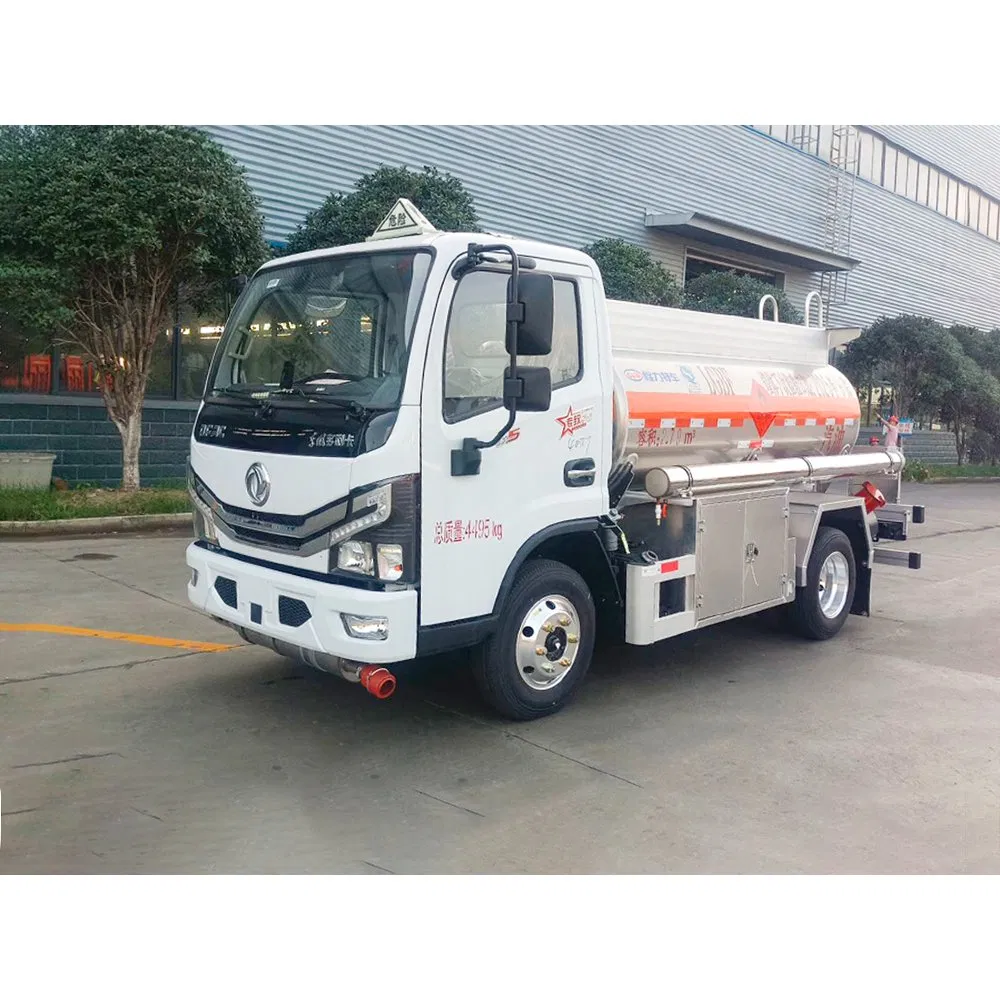
Vehicle type / chassis and body
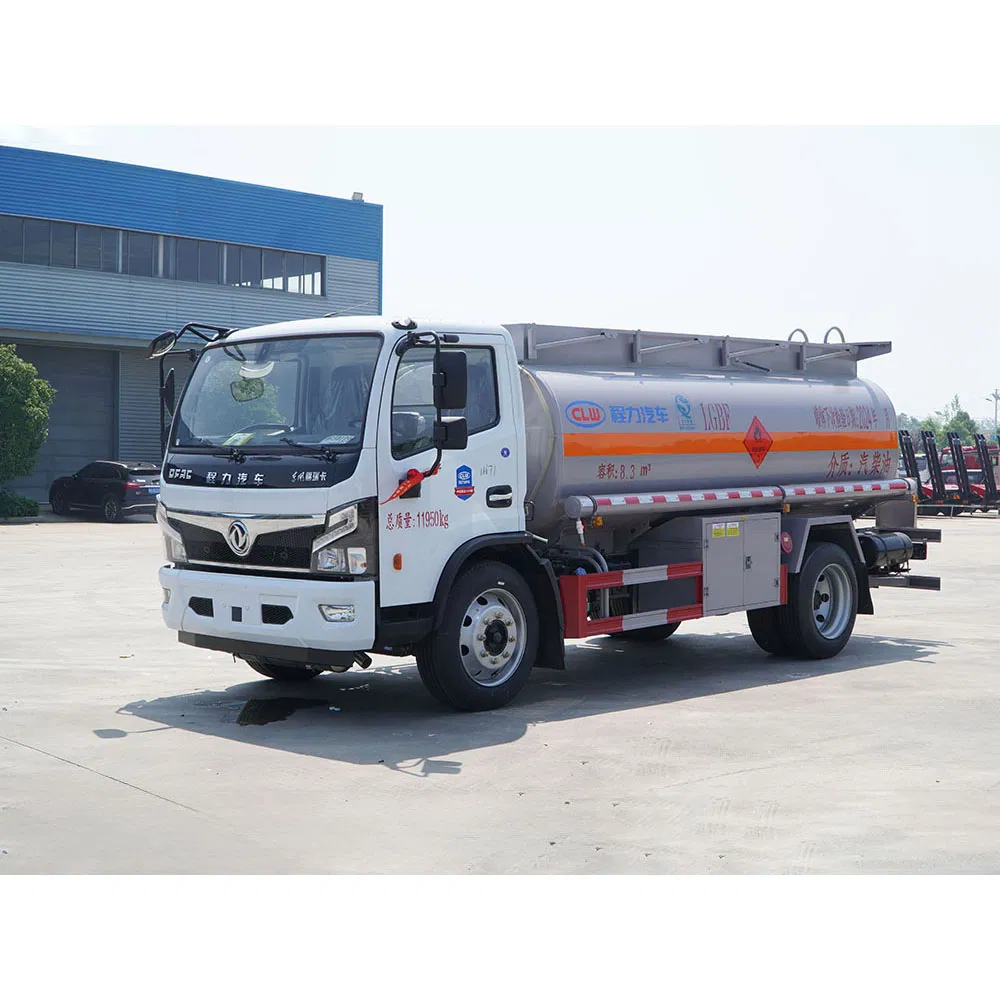
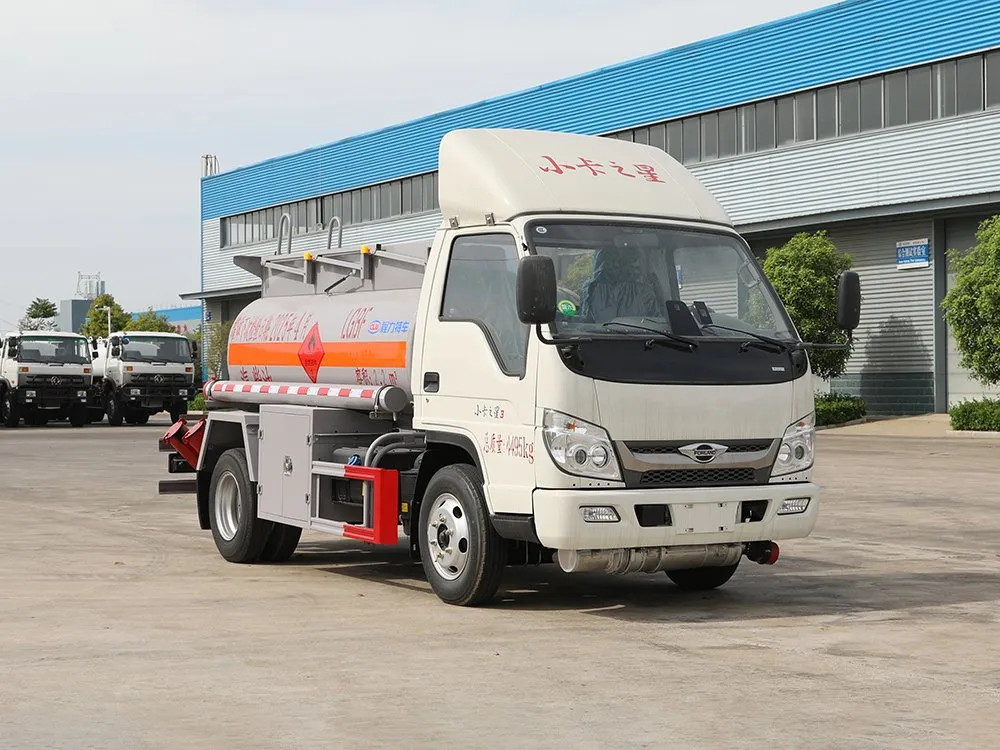
Fuel tankers, specified around the delivery.
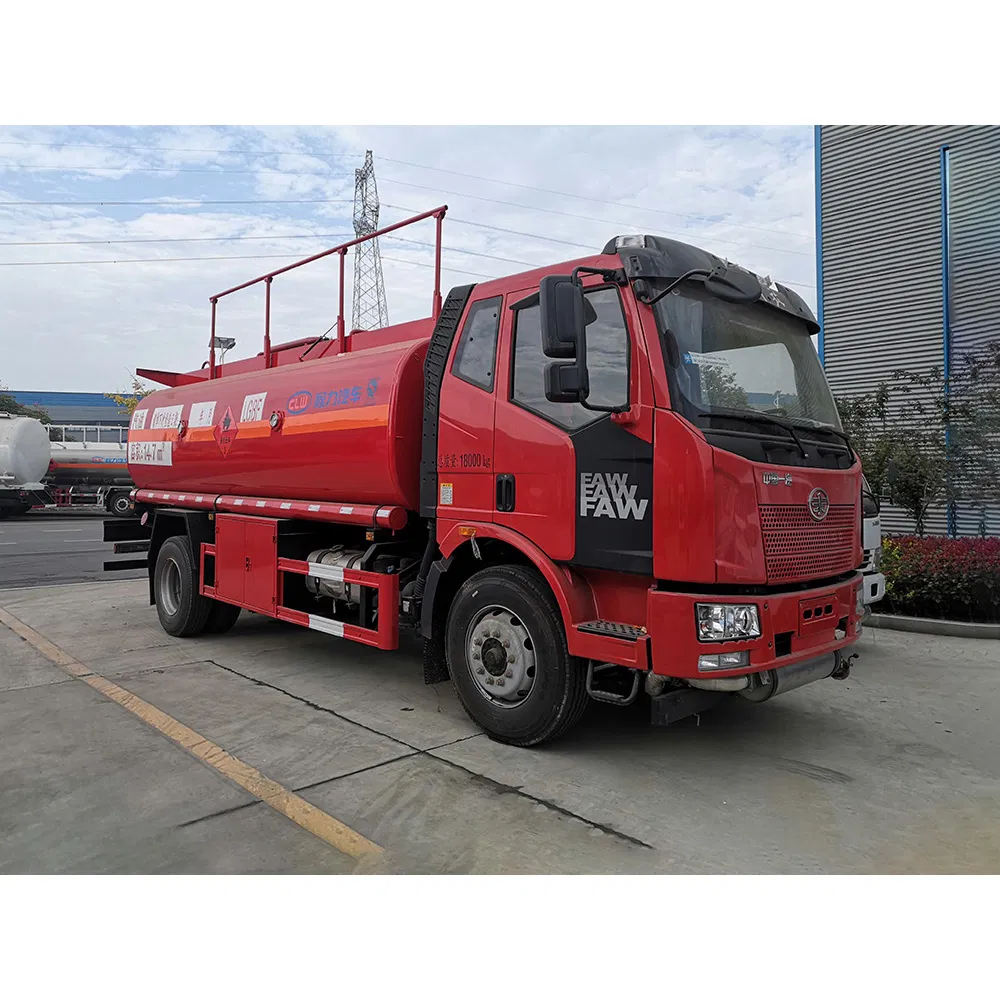
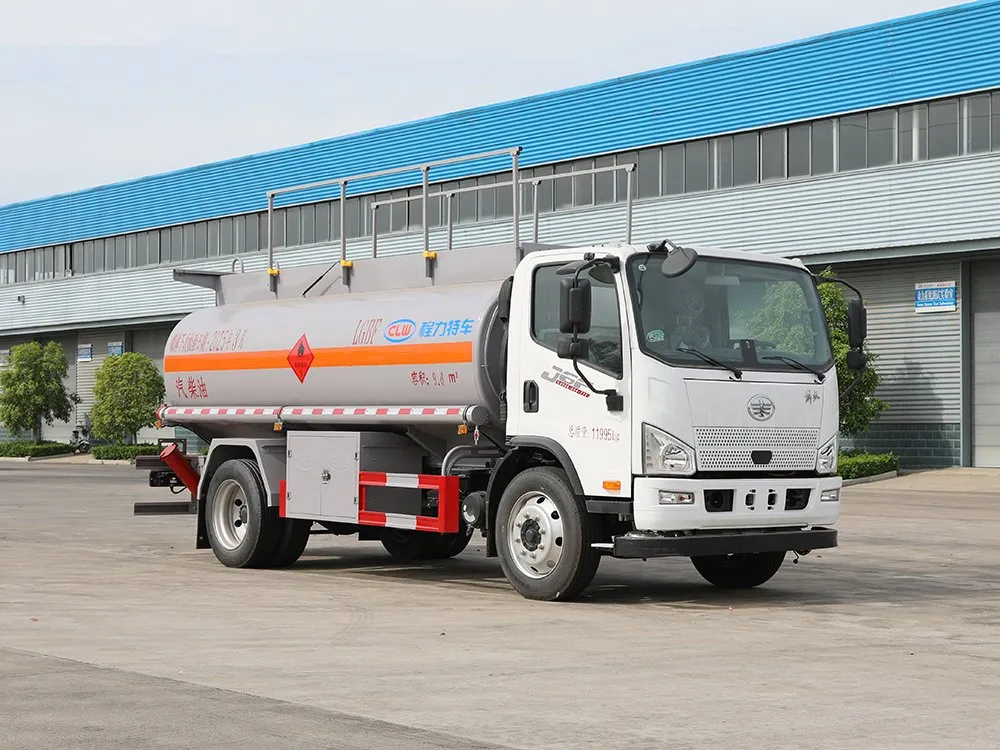
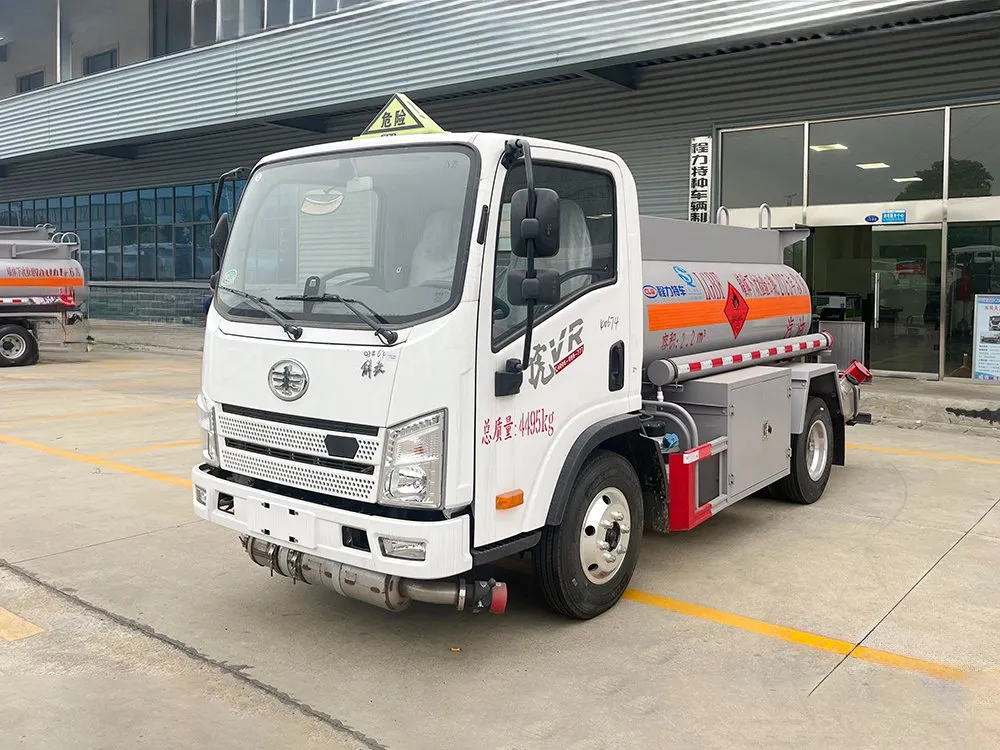
Compare fuel tanker configurations for transport and dispensing work. Specify the liquid, delivery method and loading locations before selecting a tank, chassis or dispensing arrangement.
01 / Chassis comparison
Compare the chassis options.
Fuel tankers for transport or dispensing work. Confirm the dispenser and metering equipment required for your chosen model.
| Chassis brand | Model variants | Drive forms | Gross vehicle weight | Body capacity |
|---|---|---|---|---|
| Dongfeng | 31 | — | — | 4.36–30.8 m³ |
| HOWO (Sinotruk) | 14 | — | 4,495–11,950 kg | 4.36–30.8 m³ |
| Shacman | 4 | — | 9,100–11,950 kg | 4.36–30.8 m³ |
| FAW | 22 | 4x2 | 4,495–25,000 kg | 4.36–30.8 m³ |
| Foton | 4 | 4x2 | 4,495–11,995 kg | 2.2–30 m³ |
Figures summarise Chengli model variants as of October 2026. Capacity ranges describe different configurations. Confirm the exact configuration when you request a quote.
02 / Capacity and working duty
Choose the capacity around the work.
Liquid and tank configuration
Identify the liquid and required tank volume. Agree material compatibility, compartment layout and the permitted loaded vehicle weight for the selected configuration.
Transfer or dispensing duty
State the loading and unloading method, hose connections and any metering or dispenser requirement. Confirm the equipment included in the quotation.
Route and receiving site
Provide the destination and operating route. Ask the importer to confirm local vehicle and liquid-transport requirements for the exact configuration.
Explore the configurations.
03 / Your operating brief
Bring the configuration into focus.
Send the liquid, volume, receiving connections, dispensing requirements, route and destination.